
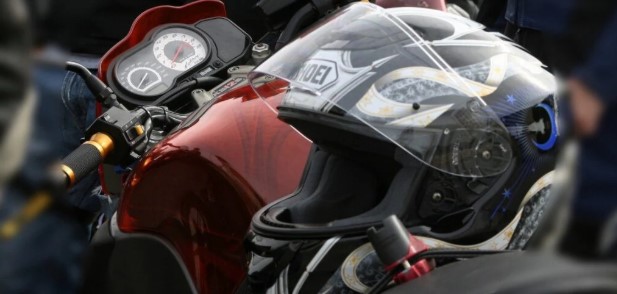
Motorcycle gear encompasses a wide and sometimes confusing range of products, each designed to address specific aspects of rider safety and comfort. Riders who are new to the sport often underestimate the complexity of gear selection, while experienced riders sometimes develop blind spots around categories they have not upgraded in years. Having a clear understanding of what types of gear exist, what each one does, and when each is most important allows riders to make smarter decisions about how they protect themselves on every ride.
Helmets Across Different Riding Styles
Helmet design has evolved significantly to address the varied needs of different riding disciplines, and selecting the right helmet type is as important as selecting one that meets safety standards. Full-face helmets offer the most comprehensive protection and are the standard choice for sport, touring, and urban riding where maximum coverage is prioritized. Modular helmets provide the convenience of an openable chin bar that many touring and adventure riders find valuable during breaks without sacrificing coverage during the ride itself.
The Spectrum of Protective Riding Jackets
Motorcycle jackets range from lightweight summer mesh options designed primarily for airflow to heavy-duty touring jackets with integrated waterproofing, thermal liners, and comprehensive armor systems. Sport jackets prioritize close-fit abrasion resistance and armor placement for the dynamic positions of spirited road riding, while adventure jackets emphasize weather protection and versatility across changing conditions. Urban motorcycle jackets are often designed to look like casual outerwear while incorporating hidden protective features, making them popular among commuters.
Gloves Designed for Different Conditions and Disciplines
Motorcycle gloves come in a range of designs that reflect the diverse demands of different riding environments. Summer gloves prioritize ventilation and tactile feedback while maintaining protection at the palm and knuckle. Winter gloves add insulation and windproofing features that allow comfortable riding in cold temperatures without sacrificing grip or control. Touring gloves balance weatherproofing with flexibility for long-distance comfort, while motorcycle racing gear focuses on maximum protection through reinforced palm sliders, hard knuckle guards, and wrist support structures.
Riding Boots Across Terrain and Application
Motorcycle boots serve a protection function that standard footwear cannot replicate, guarding the ankle, foot, and lower leg against the specific forces encountered in motorcycle accidents. Road riding boots range from sport-focused designs with reinforced toe boxes and ankle pivot protection to touring boots built for all-day walking comfort alongside riding protection. Off-road boots extend higher up the shin and feature more aggressive ankle support to handle the lateral forces of trail riding.
Protective Riding Pants and Lower Body Coverage
Lower body protection receives less attention than helmets and jackets in most riding communities, yet the legs and hips are among the most injury-prone areas in motorcycle accidents. Motorcycle-specific pants incorporate armor at the hips and knees and use abrasion-resistant base materials that protect the skin during a slide. Leather riding pants offer maximum abrasion resistance for track and sport use, while textile overpants in waterproof fabrics serve the needs of touring and commuting riders who need weather protection alongside impact coverage.
Conclusion
A thorough understanding of the types of motorcycle gear available across every category helps riders make more informed, protective decisions. Every piece of equipment — from the helmet down to the boots — plays a specific role in a comprehensive safety system. Riders who take the time to understand what each type offers are better equipped to select gear that protects them consistently across every kind of riding they do.