
Roadside emergencies can happen at any time, whether it is a flat tire, engine failure, or an unexpected breakdown in traffic. In such situations, safety becomes the top priority. One of the simplest yet most effective safety tools used worldwide is traffic cones. These bright, easy-to-spot markers play an important role in warning other drivers and creating a safe space around your vehicle. Understanding how they work can help you stay protected when you are stuck on the road.
Creating a Visible Safety Zone
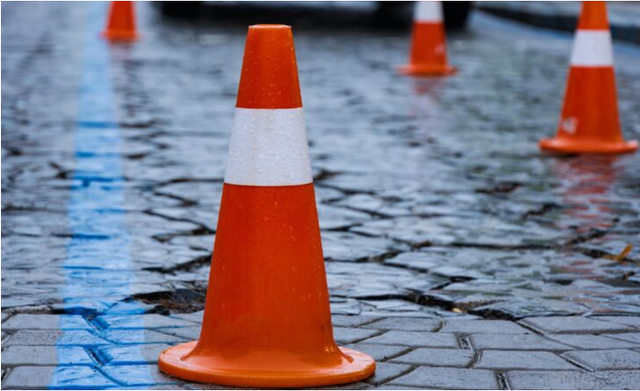
When a vehicle stops unexpectedly on a road, it can become a serious hazard for both the driver and passing traffic. Traffic cones help by creating a visible safety zone around the broken-down vehicle. Their bright orange color and reflective strips make them highly noticeable, even from a distance or in low-light conditions.
By placing traffic cones behind and around your vehicle, you alert approaching drivers that there is a problem ahead. This gives them enough time to slow down, change lanes, or pass carefully. Without this warning, other drivers may not notice your stationary vehicle until it is too late, increasing the risk of accidents.
Guiding Traffic Away from Danger
Another important role of traffic cones during roadside emergencies is guiding traffic away from the danger zone. When a car stops on the shoulder or partially blocks a lane, it disrupts the normal flow of traffic. Drivers may become confused or attempt sudden maneuvers, which can lead to collisions.
Traffic cones help organize the movement of vehicles by clearly marking the area to avoid. They create a visual path that encourages drivers to steer away from the stopped vehicle. This simple guidance helps reduce confusion and keeps both the stranded driver and other road users safe.
Increasing Awareness in Low Visibility Conditions
Roadside emergencies are especially dangerous at night, during fog, or in heavy rain. In these conditions, visibility is reduced, and drivers may struggle to see obstacles in time. Traffic cones are designed to reflect headlights, making them visible even in poor weather or darkness.
By placing traffic cones early and at proper distances, you increase the chance that oncoming drivers will notice your situation sooner. This early warning is crucial because it gives drivers more time to react safely. In many cases, this can prevent serious accidents that might occur due to sudden braking or lane changes.
Supporting Emergency Assistance
Traffic cones also help when emergency services arrive. Whether it is roadside assistance, a tow truck, or police help, cones provide a clear working area for responders. They help secure the scene so that professionals can safely assist without interference from passing traffic.
This controlled space allows emergency workers to focus on their job without worrying about nearby vehicles. It also keeps the stranded driver safer while waiting for help to arrive. In this way, traffic cones serve both as a warning system and a protective boundary.
Encouraging Safer Driver Behavior
When drivers see traffic cones on the road, they naturally become more alert and cautious. The presence of cones signals that something unusual is ahead, prompting them to reduce speed and pay closer attention. This change in behavior significantly reduces the chances of accidents near roadside emergencies.
Traffic cones also encourage disciplined driving by reminding road users to respect safety zones. This helps create a safer driving environment overall, especially in busy highways and urban roads where unexpected stops are more dangerous.
Conclusion
Traffic cones are simple tools, but their role in roadside safety is extremely important. They help create visibility, guide traffic, improve awareness in low-light conditions, and support emergency responders. Most importantly, they protect both the stranded driver and other road users from potential accidents. Keeping traffic cones in your vehicle can make a big difference during unexpected breakdowns, ensuring that you stay safe until help arrives.