
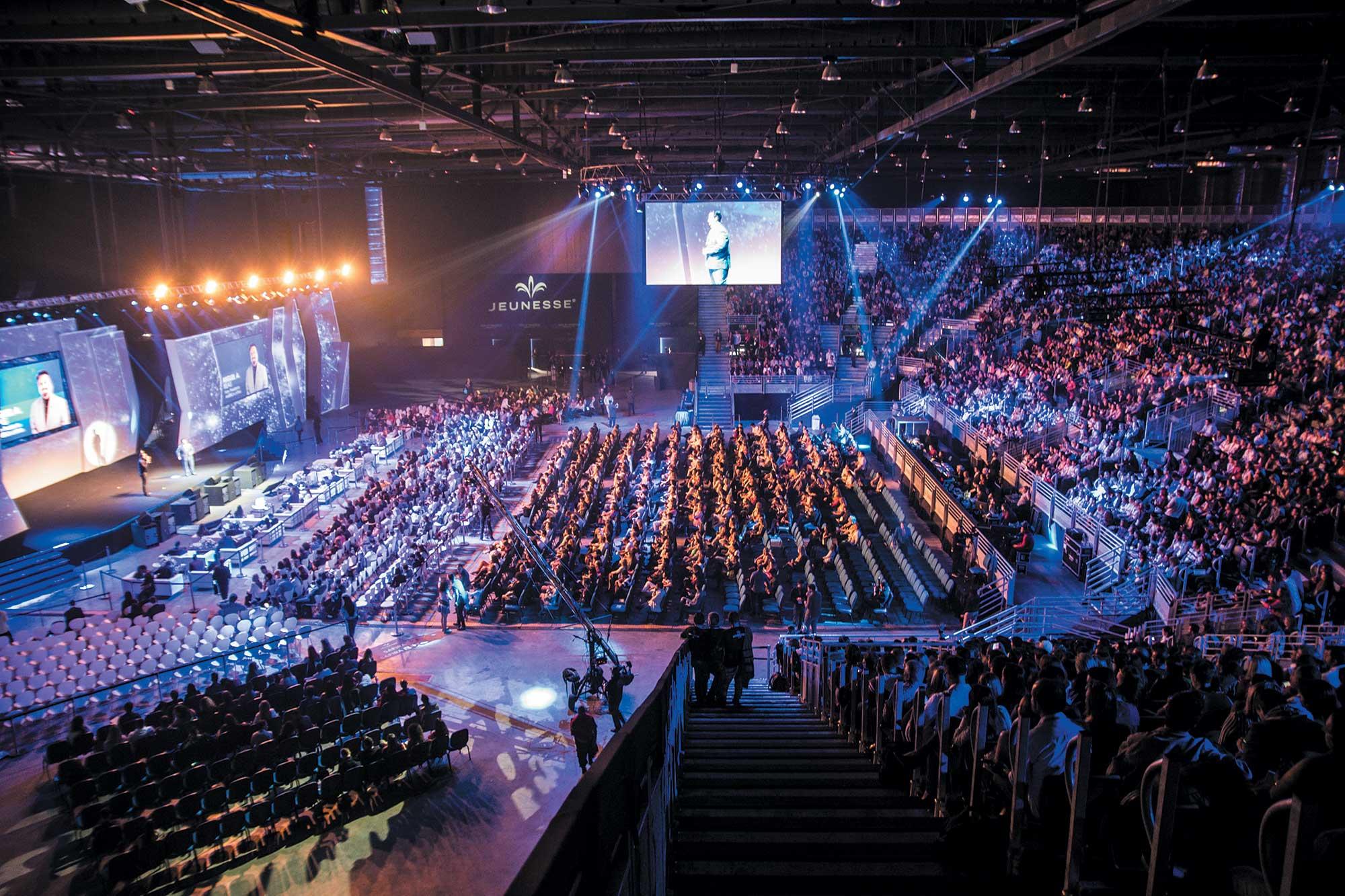
Events are a big part of how we plan, learn, and engage with the environment every day. Knowing about different kinds of events, like social gatherings, school concepts, local entertainment, and community activities, might help us make better choices. People also commonly look online for events near me to remain up to date on what’s going on in their area. Mutually exclusive events are another essential idea in probability and statistics. They describe circumstances where two outcomes can’t happen at the same time.
What Are Events?
In short, events are things that happen at a certain time and location. These can be things like concerts, conferences, sports games, festivals, or even grades in school. In arithmetic and probability, events are the probable results of an experiment, such rolling a die or flipping a coin.
It’s important to understand events because they affect how we plan, guess, and make choices. The idea of events helps you plan what will happen and what you may expect, whether you’re throwing a party or learning about probability.
Understanding Events That Can’t Happen at the Same Time
Events that cannot happen at the same moment are said to be mutually exclusive. One event can’t happen if the other one does. For instance, you can’t receive heads and tails at the same moment when you flip a coin. These are famous events that can’t happen at the same time.
In probability, mutually exclusive events are significant because their total likelihood is determined by summing their individual probabilities. Students, analysts, and professionals can better grasp risk, consequences, and logical limits in the actual world by learning about mutually exclusive events.
Examples of Mutually Exclusive Events in Real Life
A lot of things that happen every day are mutually exclusive. For instance, a person can’t go to two different events at the same time and place. A traffic light can’t be both green and red at the same time. These real-world events that can’t happen at the same time assist illustrate the idea better than literature do.
Knowing about mutually exclusive events can also help you make better choices. Knowing which solutions can’t coexist might help you avoid problems and confusion while making plans or managing resources.
Why People Look for Events Near Me
People often look for events near me to remain up to date on what’s going on in their area in the digital era. People can find things to do without having to prepare ahead by looking for events around them. These could be weekend festivals, free classes, or live concerts.
It’s easy to find activities around me that fit my interests using local websites, social media, and search engines. This trend has gotten more individuals involved in their communities and helped them make stronger connections with others through events.
The Link Between Events and Places
The place where something happens is very important. People look for events around me because they want them to be easy to get to, useful, and relevant. Local events frequently show off cultural customs, seasonal festivals, and things that people in the area are interested in.
Some events that are happening near me may be mutually exclusive, which means that people have to select one over the other because they don’t have enough time. This knowledge helps people set priorities and plan their time better.
How Events Matter in Education and Planning
Events are utilized in school to teach reasoning, statistics, and probability. Learning about events that can’t happen at the same time helps you think analytically and solve problems. People in finance, engineering, data science, and research use these ideas a lot.
Recognizing activities and figuring out which ones are mutually exclusive might assist people avoid overcommitting when they arrange their days. Clarity leads to greater results, whether I’m going to events around me or managing my job calendar.
How to Plan Events Well
Make a list of all the events that are coming up and write down when they will happen.
Before making any commitments, find out if there are any events that can’t happen at the same time.
Search for events near me early to make sure I can go.
Put events in order of how important and interesting they are.
Use calendars or apps to keep track of events that are close to me.
These tactics help you keep your work and personal life in balance while getting the most people involved.
Conclusion
Events affect how we learn, interact with others, and make choices. Knowing what mutually exclusive occurrences are might assist make sense of situations when you have to make a choice. At the same time, looking for activities near me keeps individuals interested in their own communities and experiences.
Understanding how events operate together—or don’t work together—will help you make better decisions and organize your time better, whether you’re studying probability, making plans, or looking for things to do near me. When you mix practical information with real-world examples, you may better grasp events, mutually exclusive events, and events that are close to you.