
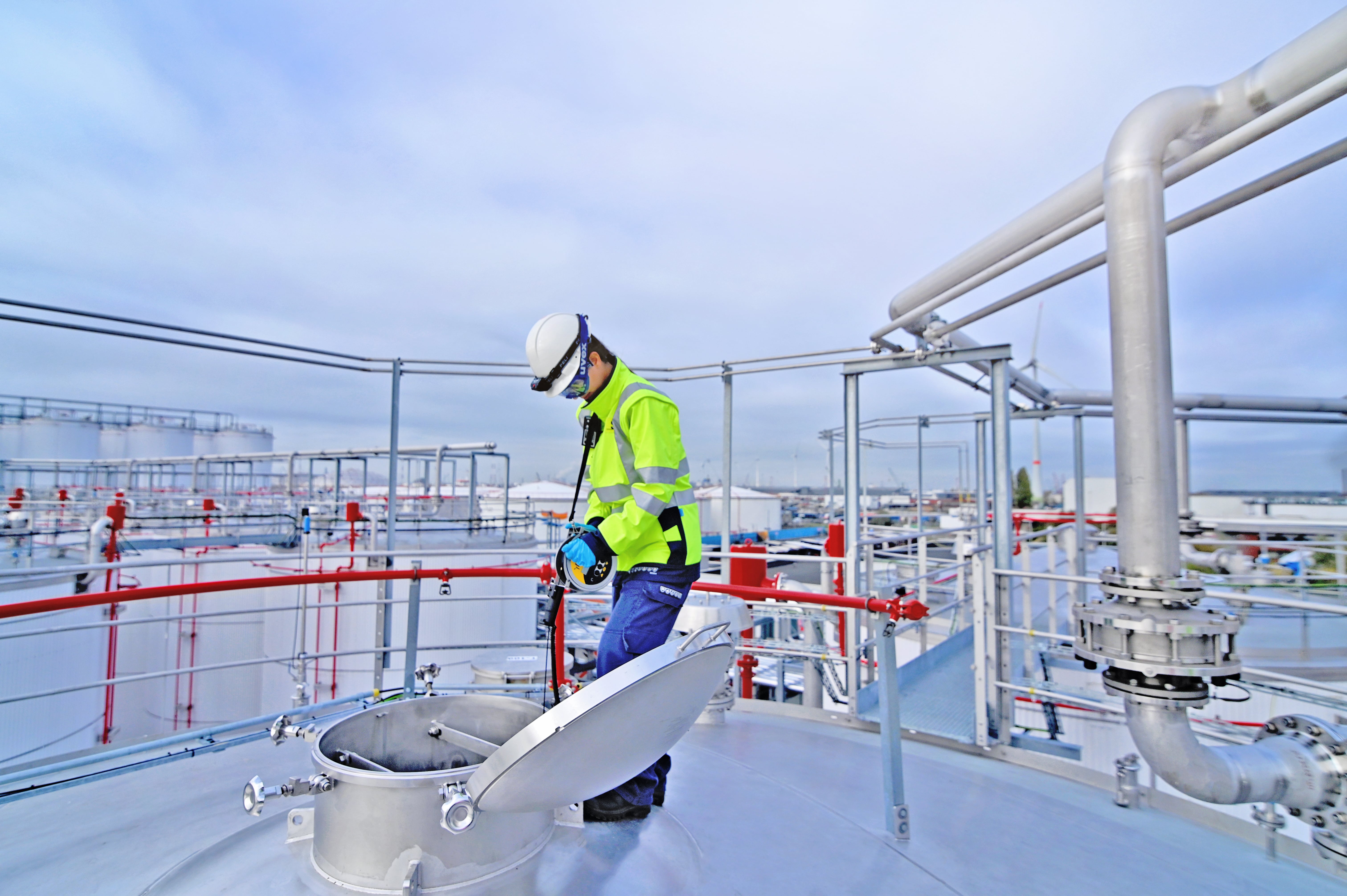
If you asked someone ten or fifteen years ago how tank inspections were done, the answer would’ve been pretty straightforward — scaffolding, rope access teams, confined space entry, and a whole lot of manual labor. It worked, sure… but it was slow, expensive, and honestly, pretty risky.
Fast forward to today, and tank inspection by tank inspection companies looks very different. Technology has completely changed the game. Inspection companies are now using drones, remotely operated vehicles (ROVs), and robotic crawlers that can go places humans really shouldn’t. And it’s not just about looking cool or futuristic. These tools are making inspections safer, faster, and way more accurate.
Let’s break down some of the biggest technologies inspection companies are relying on right now and why they’re becoming industry standards.
Drones: The Sky-Level Inspectors
Drones have probably been the most visible upgrade in tank inspection over the last few years. And honestly, it makes sense. Large storage tanks can be huge structures, and inspecting roofs, external shells, or elevated components used to require scaffolding or cranes — both time-consuming and expensive.
Now, inspectors can deploy drones equipped with high-resolution cameras and thermal imaging systems to capture detailed visual data in a fraction of the time.
Drones help companies:
- Inspect tank roofs and floating roof seals
- Detect corrosion, cracks, or coating damage
- Identify thermal anomalies that could indicate leaks
- Reduce the need for risky climbing or scaffolding
The biggest advantage? Safety. Fewer workers need to operate at dangerous heights, which lowers accident risks significantly. Plus, drones can capture extremely detailed imagery that can be reviewed multiple times later — something traditional inspections didn’t always allow.
ROVs: Underwater and Internal Tank Exploration
When it comes to tanks filled with liquids or hazardous materials, draining and cleaning them for inspection can be a massive operation. It takes time, costs money, and can disrupt facility operations.
That’s where Remotely Operated Vehicles, or ROVs, come in.
ROVs are basically underwater robots equipped with cameras, sonar, and sometimes ultrasonic sensors. They can inspect tank floors, internal structures, and weld seams without requiring a tank to be emptied.
ROVs are commonly used for:
- Water storage tank inspections
- Wastewater and chemical storage tanks
- Sediment and sludge evaluation
- Corrosion and coating assessments
One of the biggest benefits here is reduced downtime. Facilities don’t have to shut down operations for extended periods just to complete inspections. And in industries where downtime equals major financial loss… that’s huge.
Robotic Crawlers: Precision Inspection on Tough Surfaces
Robotic crawlers are another tool gaining serious traction in the internal tank and pipeline inspection services indusry. These machines attach magnetically or mechanically to tank walls and floors, allowing them to move across surfaces while collecting data.
They’re often equipped with:
- Ultrasonic thickness testing (UT) sensors
- Magnetic flux leakage (MFL) technology
- High-definition cameras
- Laser scanning tools
These robots are especially useful for inspecting tank floors or vertical shell plates where corrosion tends to hide. They can collect extremely precise measurements and provide inspectors with data that would be difficult — and sometimes impossible — to obtain manually.
What’s interesting is how consistent robotic crawlers are. Human inspections can vary depending on fatigue, accessibility, or environmental conditions. Robots? They don’t get tired. They just keep collecting data.
AI and Data Analytics: The Quiet Power Behind the Tech
Here’s something people don’t always realize — drones and robots generate massive amounts of data. And reviewing that data manually would take forever.
This is where artificial intelligence and data analytics come into play.
Inspection companies are now using software that can:
- Detect corrosion patterns automatically
- Compare inspection data across multiple years
- Predict structural failures before they happen
- Generate detailed digital inspection reports
It’s honestly one of the most exciting shifts in the industry. Instead of just identifying current problems, companies can now predict future risks. That kind of insight helps operators plan maintenance strategically rather than reacting to emergencies.
Confined Space Robotics: Making Dangerous Jobs Safer
Confined space entry has always been one of the most dangerous aspects of tank inspection. Limited oxygen, hazardous vapors, and restricted movement create serious safety concerns.
New robotic inspection tools are helping reduce the need for human entry altogether. These compact machines can navigate tight internal spaces, collect visual and structural data, and transmit information in real time.
Less human exposure to hazardous environments is honestly one of the biggest wins modern inspection technology has delivered.
Where the Industry Is Heading Next
Tank inspection technology is evolving quickly, and automation is only becoming more advanced. Companies are experimenting with autonomous drones, advanced digital twins, and continuous monitoring sensors that track tank health 24/7.
It’s not replacing inspectors — not even close. Instead, it’s giving them better tools, better data, and safer working conditions.
And if you ask most inspection professionals, that’s exactly the direction the industry needed to go.
Final Thoughts
Modern tank inspection is no longer just about visual checks and manual measurements. Today’s inspection companies rely heavily on drones, ROVs, robotics, and advanced analytics to evaluate tank integrity with greater precision and efficiency.
These technologies reduce safety risks, minimize downtime, and provide deeper insights into asset performance. As facilities continue prioritizing safety, compliance, and operational efficiency, automated inspection tools are quickly becoming essential rather than optional.
And honestly, this shift isn’t just about technology — it’s about making industrial infrastructure safer for workers, communities, and the environment.
FAQs
- Are drones safe to use around industrial storage tanks?
Yes. Inspection drones are specifically designed for industrial environments and are operated by trained professionals following strict safety protocols. - Can ROVs inspect tanks without draining them?
In many cases, yes. ROVs can inspect submerged structures, tank floors, and internal components while tanks remain operational. - Do robotic inspection tools replace human inspectors?
No. They assist inspectors by collecting data safely and accurately, but human expertise is still essential for analysis and decision-making. - Are automated inspection technologies expensive?
Initial costs can be higher, but they often reduce downtime, labor costs, and long-term maintenance expenses. - Which industries benefit most from robotic tank inspection?
Oil and gas, chemical storage, water utilities, wastewater treatment, and manufacturing facilities all benefit from automated inspection technologies.